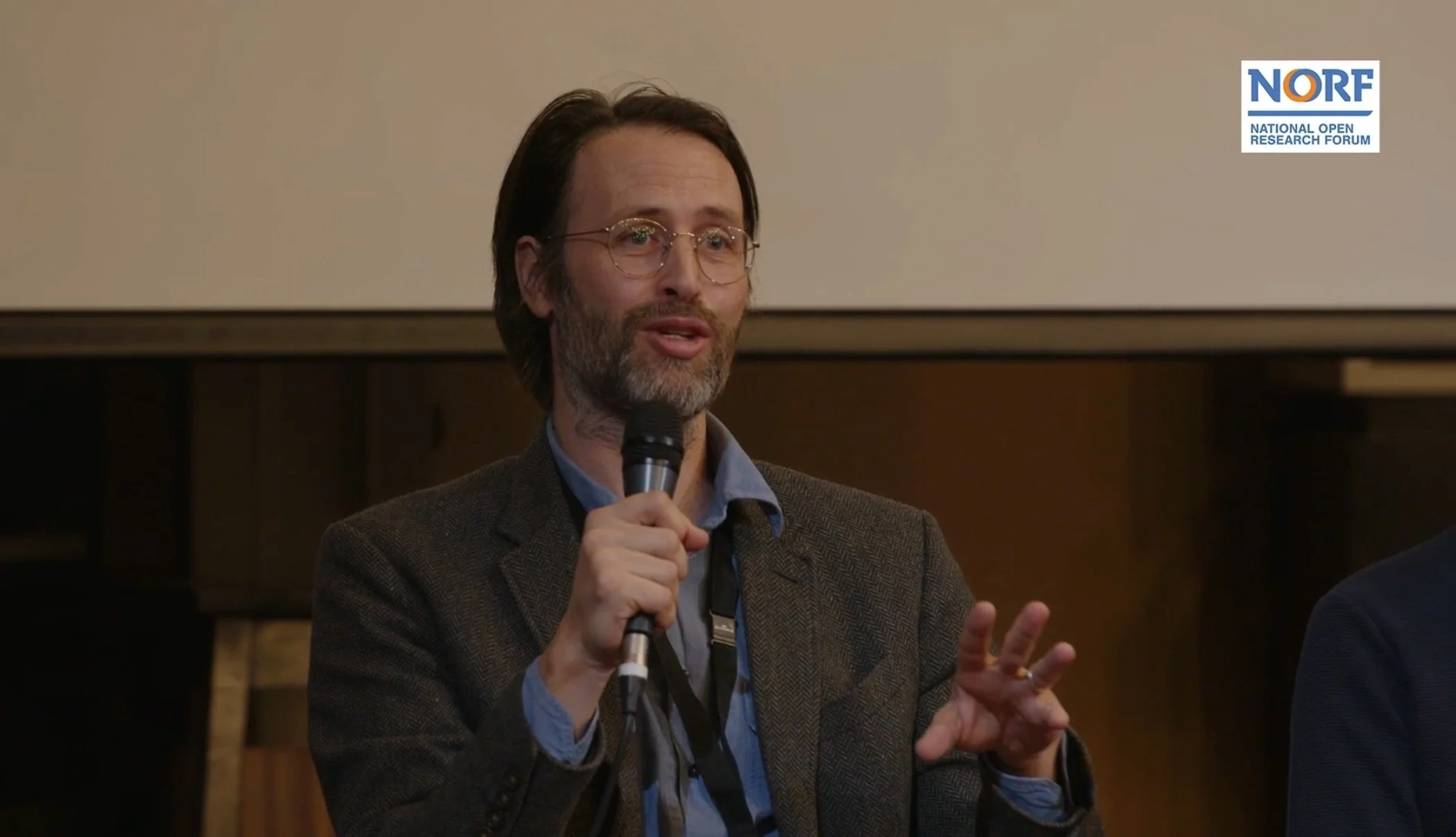
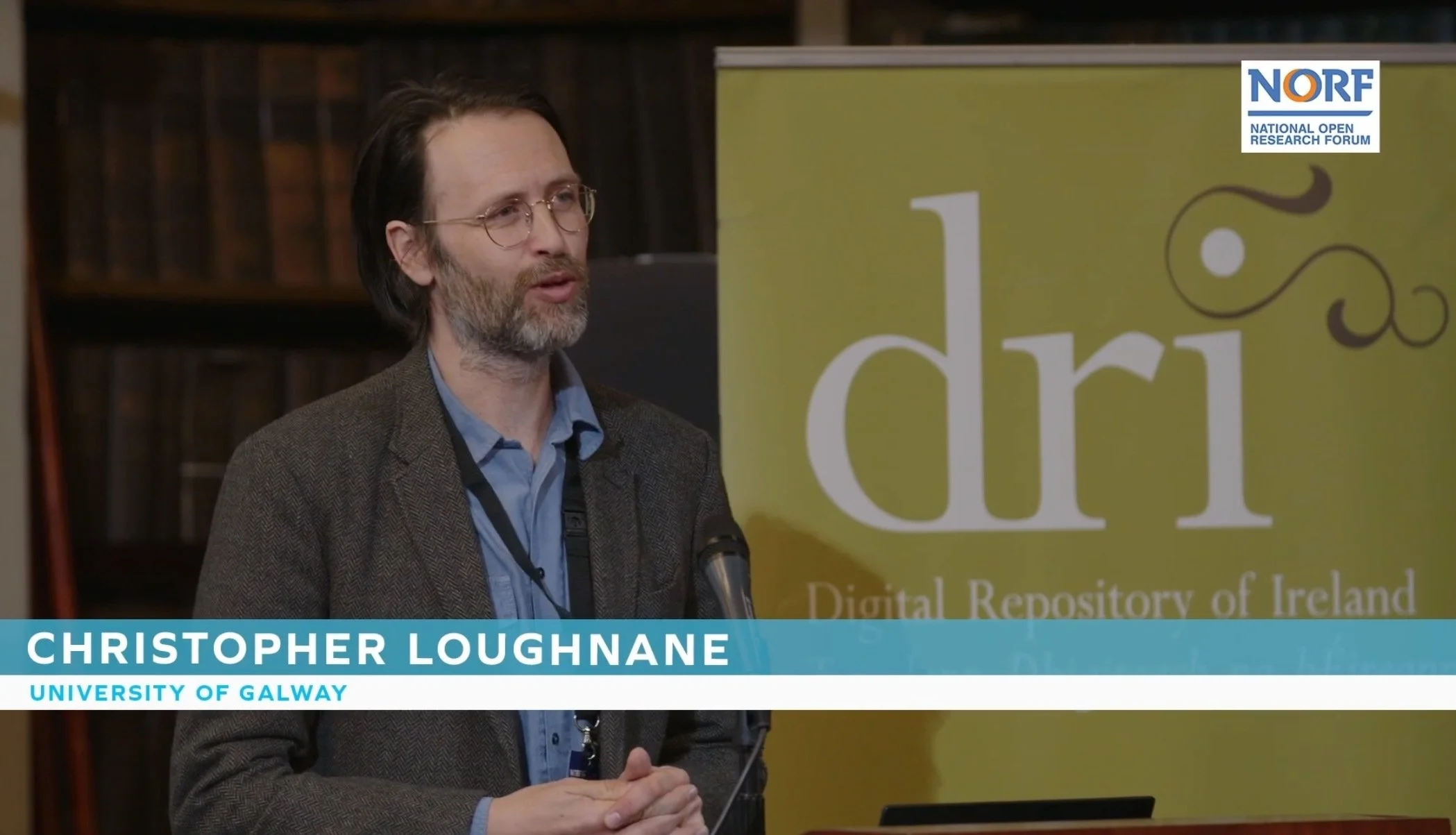
I am a philosopher of technology specialising in human-technology-environment relations, with a particular focus on AI and digital systems. I am the author of the Triadic Umwelt Model, which integrates Uexküll, Kapp, Cassirer, and Simondon to provide a structural account of how technics shapes perception, cognition, and embodied relations between bodies and environments.
My research examines the coevolution of humans and technological systems, especially how algorithmic infrastructures and digital media mediate perception, agency, and knowledge production. Drawing on biosemiotics, phenomenology, and philosophy of technology, I develop conceptual frameworks for understanding technics in contemporary computational environments.
Alongside this work, I have over 15 years of experience as a librarian, consultant, and project lead in cultural heritage, digital scholarship, and open research infrastructures. My applied work focuses on knowledge infrastructures, AI evaluation, and participatory approaches to technology governance.
I was recently Research Fellow and Open Health Research Engagement Officer for the Open Health Research Ireland Network (OHRIN) at Trinity College Dublin, where I led the development of a national membership network and Diamond Open Access journal for practitioner-researchers in health and social care. I have also worked as a Research Associate on the PHAWM project on participatory AI auditing at the University of Glasgow and founded Open Repositories Ireland as part of the National Open Research Forum-funded National Open Repositories Project at the University of Galway.
Loughnane’s Triadic Umwelt Model
Write me an email: christopher(dot)loughnane(at)tcd.ie
https://orcid.org/0000-0002-7789-6939
https://scholar.google.com/citations?user=HRto4tMAAAAJ&hl=en
Contact